Category: Crono Talks

Crono Talks is where we interview founders of cool projects in the SaaS/B2B environment. We’ll find out about the people behind projects that are changing the ecosystem.

  • How Vulse Turns Employees into LinkedIn’s Most Powerful Marketing Channel

    How Vulse Turns Employees into LinkedIn’s Most Powerful Marketing Channel

    Hey Croners! Welcome to Crono Talks, a series of interviews with projects and people that have blown our minds. We aim to inspire and give deserved credit to those working hard and with great ideas.

    In this article, we interviewed Rob Illidge the founder of Vulse, a platform built to turn employees into a company’s strongest marketing channel on LinkedIn.

    It all started from a simple frustration: brand pages were getting ignored while a single post from a real employee was outperforming them many times over. So in 2019, Vulse was born, not as a workaround, but as a proper, API-compliant solution to activate employee advocacy and measure it at the individual level.

    We dive into why LinkedIn reach lives with people, not pages, and what B2B teams are still getting wrong about building a real presence.

    Crono Talks ep.12 – Vulse

    1. Can you walk us through your story. How did you end up building Vulse?

    Honestly, it started from frustration.

    I spent years in marketing watching companies pour money into their LinkedIn company pages and get almost nothing in return. At the same time, a single post from an actual employee would outperform the brand account many times over. The reach was sitting with people, not pages, and nobody was doing much with it.

    The bigger problem was that you couldn’t measure any of it properly. The tools that existed scraped data off LinkedIn in ways that were fragile and against the rules, and they reported at the company level, which tells you nothing about who’s actually driving results.

    So in 2019 I started building Vulse to do it properly: help companies activate their people on LinkedIn, and measure it at the individual level using LinkedIn’s official API rather than a workaround that breaks the moment LinkedIn changes something.

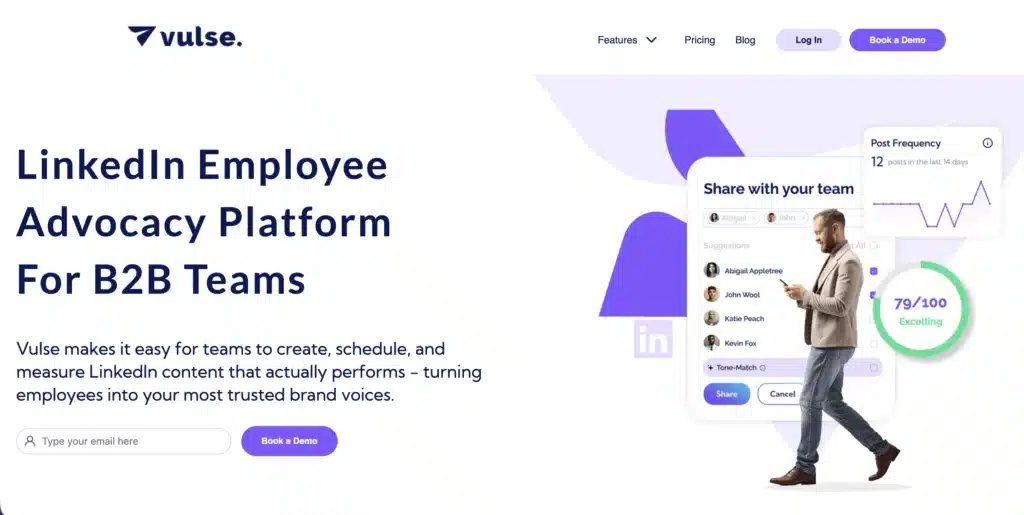
    2. How would you describe Vulse to someone who’s never heard of it?

    Vulse turns your employees into your strongest marketing channel on LinkedIn, and actually proves it’s working.

    Most companies already sense their people have more reach and more trust than the brand page ever will. What they don’t have is a way to make sharing easy for employees, and a way to measure it beyond vanity numbers.

    Vulse does both.

    It helps your team post in their own voice without it feeling like corporate homework, and it shows you reach and engagement for every individual, not just one aggregate dashboard.

    If you’re a B2B team trying to build real presence on LinkedIn and prove the return, that’s who we’re for.
    3. Most people think “just post more on LinkedIn.” What are they getting wrong?

    Volume isn’t the lever. I’ve watched companies triple their output and move nothing, because more posts from a faceless brand page are just more noise.

    Two things actually matter. First, who’s posting? A real person with a face and a point of view beats the company account every time, because people trust people.

    Second, whether you can see what’s working. Most teams are flying blind on aggregate impressions that never tell them which person, which post, or which topic drove anything. “Post more” without those two things just buys you more vanity metrics and the same flat results.

    The question was never how often you post. It’s whose voice is carrying it, and whether you can measure it.

    4. What’s one thing you wish more people understood about building a presence on LinkedIn?

    That the reach lives with individuals, not the brand, and that’s a feature, not a bug.

    People resist this because it feels like losing control. You’re handing your visibility to your employees’ personal profiles. But that’s exactly why it works.

    Audiences have basically stopped engaging with logos and started engaging with humans. The companies that win on LinkedIn aren’t the ones with the slickest company page, they’re the ones whose people show up consistently, as themselves, in their own voice. And it compounds, which is the part most underestimate.

    Nobody builds a real presence in a fortnight.

    5. What’s next for Vulse?

    The timing’s genuinely interesting, because the ground is shifting in our favour. A lot of the LinkedIn analytics tools people leaned on were built on scraping, and LinkedIn has been shutting those down. We made the harder choice early to build on the official API, so as that shake-out plays out, compliant, profile-level measurement is going from a nice-to-have to the thing teams actually need.

    So the focus is going deeper on exactly that: making the measurement layer richer, helping teams tie advocacy to real outcomes rather than impressions, and keeping the bar high on doing it the legitimate way.

    The mission hasn’t changed since 2019. Make a company’s people their best channel, and prove it.
  • From Memes to Market Leaders: How Il Commerciale Became Italy’s Top B2B Sales Community

    From Memes to Market Leaders: How Il Commerciale Became Italy’s Top B2B Sales Community

    Hey Croners! Welcome to Crono Talks, a series of interviews with projects and people that have blown our minds. We aim to inspire and give deserved credit to those working hard and with great ideas.

    In this article, we interviewed Ferruccio Nicolo, Founder of Il Commerciale.

    Ferruccio, aka ilcommerciale_, started in 2021 sharing bold, irreverent memes about the real world of B2B sales. What began as a fun side project quickly grew into a thriving community of over 60,000 followers, a newsletter, a podcast, and a vertical job board.

    We dive into how authenticity, deep sales experience, and a touch of humor turned Il Commerciale into Italy’s go-to hub for B2B sales professionals.


    Crono Talks ep.11 – Il Commerciale

    1. Hey Ferruccio! Tell us a bit about yourself and how Il Commerciale was born.

    What made you say, “I want to build the biggest sales community in Italy”?

    Hi Crono! My name is Ferruccio and in life I am… “ilcommerciale_” – both in my everyday life and through the social community born in 2021.

    I started on Instagram for fun, driven by the desire to represent our world through memes and direct content – sometimes bold and irreverent, but real! Today we’re over 60,000 followers on Instagram, plus LinkedIn, a weekly newsletter and a podcast – all vertical on the B2B Sales world.

    I never started by saying “I want to build the biggest Sales community in Italy.” I started by saying: I want to tell B2B the way it actually happens. The community grew because so many people recognize themselves in our content.

    2. What’s your experience in sales? How did it help you launch this project?

    I’ve spent my career in B2B, across roles and seniority, in both multinationals and SMEs, in complex markets, working with distributors and manufacturing businesses.

    Before that, I sold paint while at university. I also grew up in a family of traders.

    That’s why our content feels familiar: it’s built on lived experience, not theory repackaged.

    It speaks the language of the job. People don’t need a lecture. They recognize the moments. And that recognition is the starting point.

    3. What was the defining moment when you realized this project could really take off?

    There wasn’t a single moment. It was more of a sequence. The first strong signals came from the community, professionals who spontaneously recognized themselves in the content.

    Then companies started reaching out: “We’re looking for Sales people, can you help us?”.

    That’s when I realized we had two rare things together: a profiled audience of B2B Sales professionals, 70% of our followers work in B2B product sales, and companies constantly looking for salespeople.

    That kind of verticality is what took ilcommerciale from being a social media page to a bigger, more ambitious project.

    4. Il Commerciale is much more than just a blog or media brand, it’s a community. What are the “secret ingredients” that helped you grow such a large sales audience?

    Precise choices we made and stuck with.
    First: extreme verticality. We don’t talk about “sales” in general.

    We talk about B2B sales: long negotiations, structured buyers, sales networks, complex targets and markets.

    If you do B2C, door-to-door, and so on, that’s not our world. And we don’t pretend it is.

    Second: consistency. We put out content daily across Instagram, LinkedIn and the newsletter.

    Third, and this is key: memes. Even complex topics, delivered through a meme, land immediately. Nothing is more direct than that.

    5. There’s a lot of sales content out there. How does Il Commerciale differentiate itself and stay relevant?

    There’s a lot of sales content on social media, but it’s often too generic or too “method-driven,” disconnected from what really happens in B2B. Il Commerciale stays relevant because it starts from real situations, not pre-made frameworks.

    Our approach isn’t “follow us and we’ll teach you how to sell.” It’s about sharing and making sense of the work: we tell and analyze what people working in sales actually experience every day, creating a space where professionals can exchange experiences and learn from each other.

    We focus on concrete dynamics, with a practical and honest tone. And then there’s the community, which is the real filter: if it’s not true, it doesn’t work.

    6. How does your community influence the content you produce? Do you take their feedback seriously?

    Always. A single comment or DM is often enough for us to realize a topic isn’t just about one person, but a whole slice of the market.


    Il Commerciale is a space for sharing, and the community is both our radar and our quality control: when something hits the mark, you can tell immediately.


    A big part of the audience is made up of Millennial and Gen Z sales, and we feel a responsibility to give that generation a voice.

    7. How do you balance entertainment, inspiration, and practical advice in your contents?

    We treat entertainment as the delivery system, not the goal.

    We often mix memes and content to spread messages, even complex ones, through lighter formats.

    Roughly 70% is there to help the message land, and 30% is practical takeaways people can actually use. Inspiration is simply the byproduct of contents we make.

    8. Which content format performs best and why?

    Definitely polls.

    They perform best because they give the community a voice and turn followers into participants.

    They drive a lot of interaction and different viewpoints.

    9. Where is the project heading today? What’s the next step?

    The natural next step was launching ilcommerciale.it: a vertical job board focused on B2B Sales, where companies can post opportunities and tell their story through a company profile, reaching our community directly.


    On one side, sales professionals find opportunities.

    On the other, companies gain access to a highly specific audience they simply can’t reach elsewhere. It’s our shift from a media brand to a startup.

  • Inside SalesValley: The Science of Hiring Top Sales Talent

    Inside SalesValley: The Science of Hiring Top Sales Talent

    Hey Croners! Welcome to Crono Talks, a series of interviews with projects and people that have blown our minds. We aim to inspire and give deserved credit to those working hard and with great ideas.

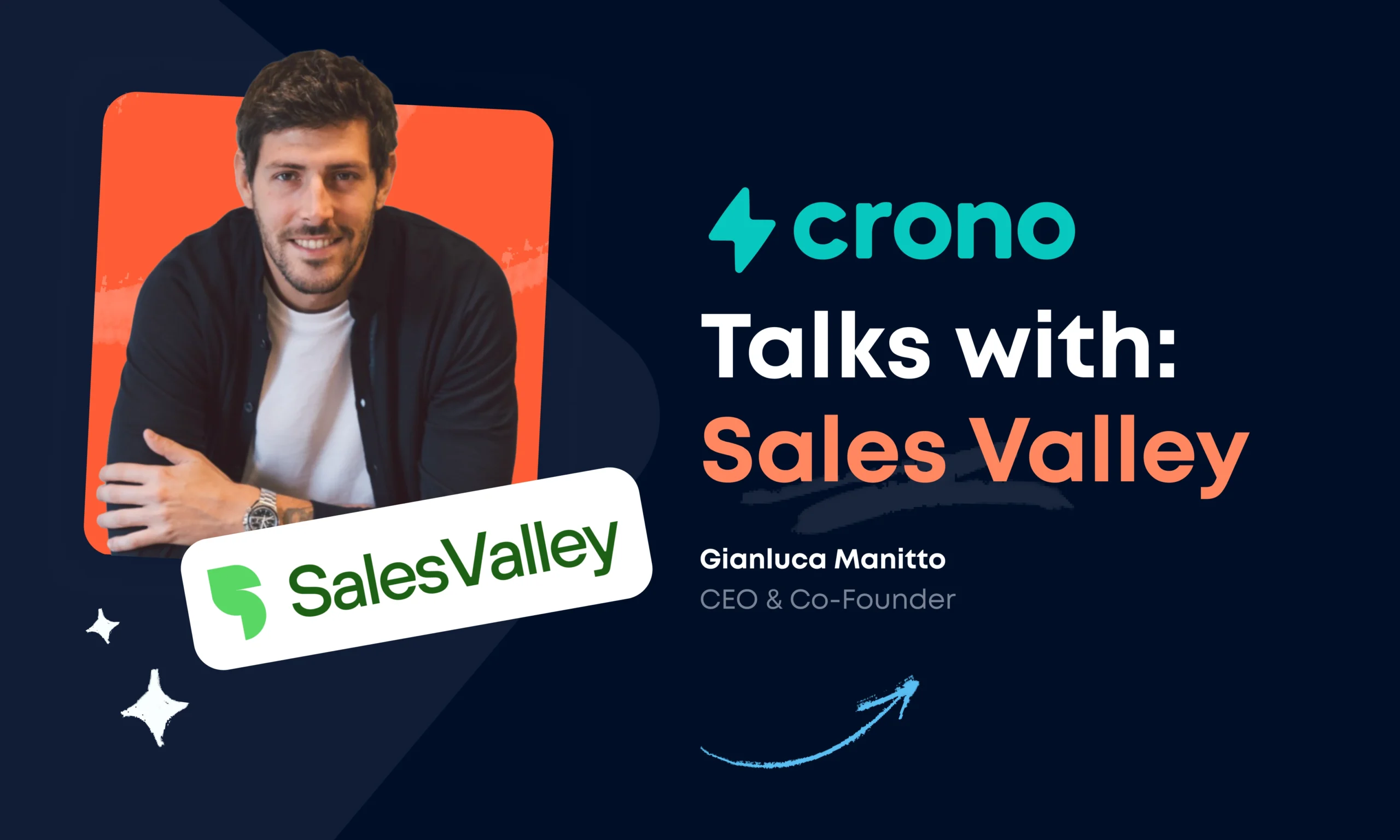
    In this article, we interviewed Gianluca Manitto, CEO and Co-founder of Sales Valley

    He shares the story behind SalesValley, a boutique consultancy dedicated to helping Italian SMEs and startups hire, train, and scale high-performing sales teams.

    Gianluca also explores the evolving skills that will define top sales professionals in 2026, and how AI, coaching, and entrepreneurial thinking are reshaping the world of sales.

    Crono Talks ep.10 – Sales Valley

    1. For those who don’t know SalesValley yet: how would you describe what you do in one sentence?

    SalesValley is a high-performance HR and sales boutique consultancy that specializes in building, training, and scaling sales teams for Italian SMEs, startups, and scale-ups, helping them achieve sustained growth through talent acquisition, customized training programs, and strategic sales leadership.


    2. SalesValley was born to solve one of the toughest challenges companies face: finding the right sales talent. Where did the initial idea come from?

    The idea behind SalesValley emerged from the frustration many companies face when hiring sales talent.

    Both my business partner and I managed several businesses over the years, and we realized that hiring for sales departments was incredibly difficult.

    Traditional recruitment methods often failed to meet the needs of high-growth companies, particularly in industries where scalability and adaptability are essential.

    It became clear that generic hiring practices were no longer effective in finding top-tier sales talent. This gap led us to develop an almost scientific approach to hiring, tailored specifically to the sales function.

    We combined advanced HR techniques with practical role-playing and testing, creating a method that reflects real-world sales challenges.

    We also wanted to offer something we wish we had during our own entrepreneurial journeys: methods that not only help recruit the best talent but also train and equip teams with the skills and mindset needed to thrive in today’s competitive environment.

    This is why we focus on coaching, providing our clients with not just hires but also strategic guidance to improve sales operations and performance.

    3. The sales world is evolving fast. Which skills are becoming non-negotiable for high-performing sales professionals in 2025?

    In 2025, high-performing sales professionals will need a strong mix of digital fluency and critical thinking.

    As reliance on technology increases, salespeople must be comfortable with advanced CRM systems, data analytics tools, and AI-driven insights that support prospecting, sales strategies, and performance tracking.

    However, the human element will remain essential: communication, empathy, and relationship-building skills will continue to set top performers apart.

    The ability to leverage data to anticipate customer needs and tailor solutions will be critical for staying ahead.

    Additionally, adaptability to rapidly changing markets and the continuous learning of new tools and methods will be key differentiators for top salespeople.

    4. AI is reshaping almost every business process, including recruiting. How do you see AI transforming the way companies identify and evaluate sales talent?

    AI is already revolutionizing talent acquisition processes.

    ATS systems do a decent job of evaluating candidates during the initial screening (although we always manually review all candidates to ensure no diamonds are missed).

    New solutions and startups are continuously innovating ways to use AI in recruiting, such as evaluating not only resumes but also behavior patterns, communication styles, and even emotional intelligence, offering deeper insights into a candidate’s potential to succeed in sales.

    However, I believe many of these solutions will eventually fade away. The tools that truly help HR professionals save time and reduce operational stress are the ones most likely to remain in business.

    In the near future, AI and agentic solutions could also play a larger role in training and evaluation, simulating sales scenarios, and assessing performance through role-playing exercises that mirror real-world challenges.

    5. What skills do you think salespeople will need in the future that most teams aren’t training for yet?

    As the future of sales continues to evolve, salespeople will need to be more well-rounded, developing a mix of technical and soft skills that allow them to work across different departments and thrive in increasingly dynamic environments.

    The future salesperson will be a “T-shaped” professional- broadly skilled in areas such as data analysis, marketing collaboration, and basic product knowledge, while also maintaining deep expertise in their core area, such as relationship-building or closing deals.

    Additionally, as technology and AI play a more significant role, salespeople will need to adopt an increasingly entrepreneurial mindset.

    They will need to be builders: versatile, proactive individuals who take ownership of their work and drive solutions in collaboration with other teams, coordinating people and technology to drive better outcomes.

    As businesses, encouraging entrepreneurial behavior and adaptability within sales teams will be crucial for fostering innovation and retaining top talent in a rapidly changing market.

  • Crono Talks with Sales Busters

    Crono Talks with Sales Busters

    Hey Croners! Welcome to Crono Talks, a series of interviews with projects and people that have blown our minds. We aim to inspire and give deserved credit to those working hard and with great ideas.

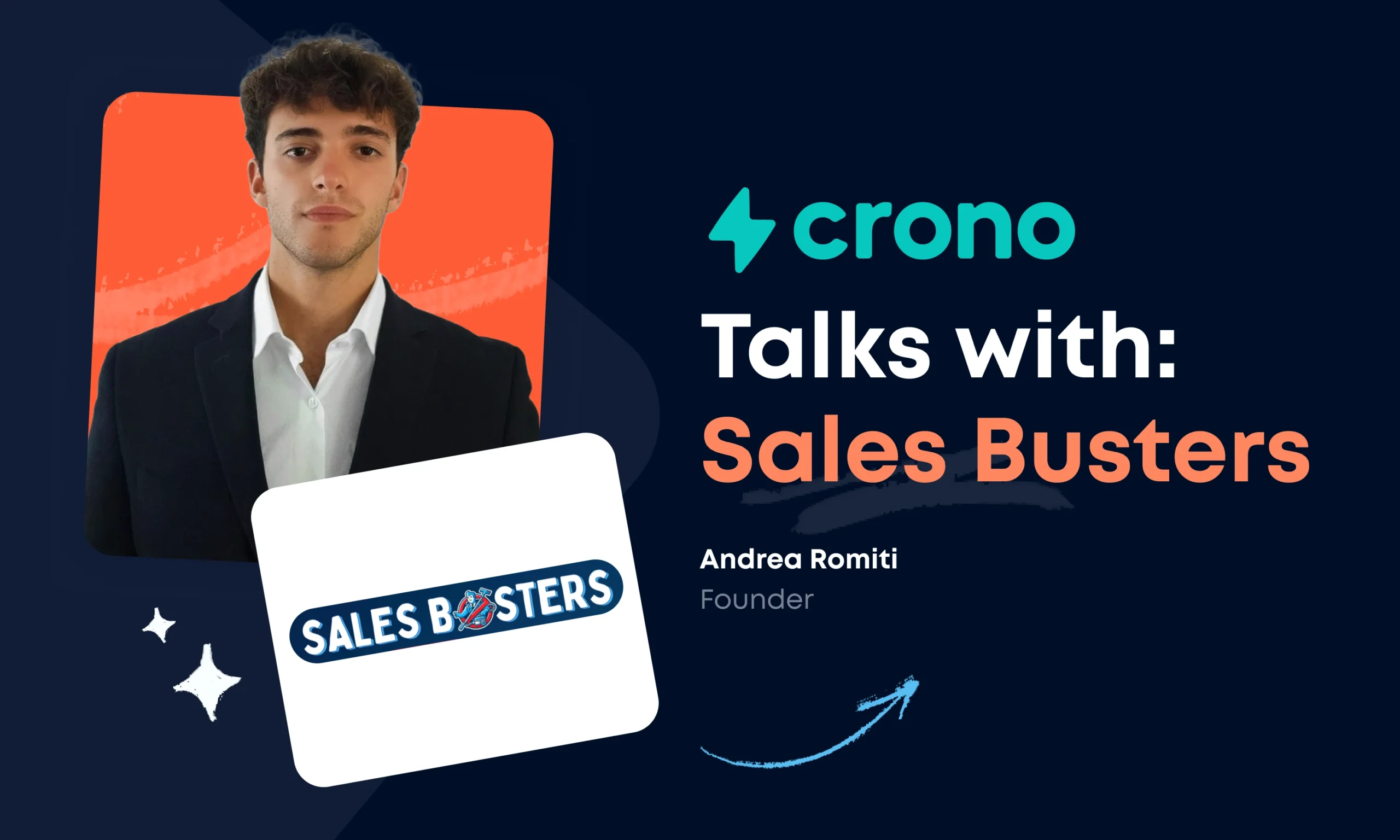
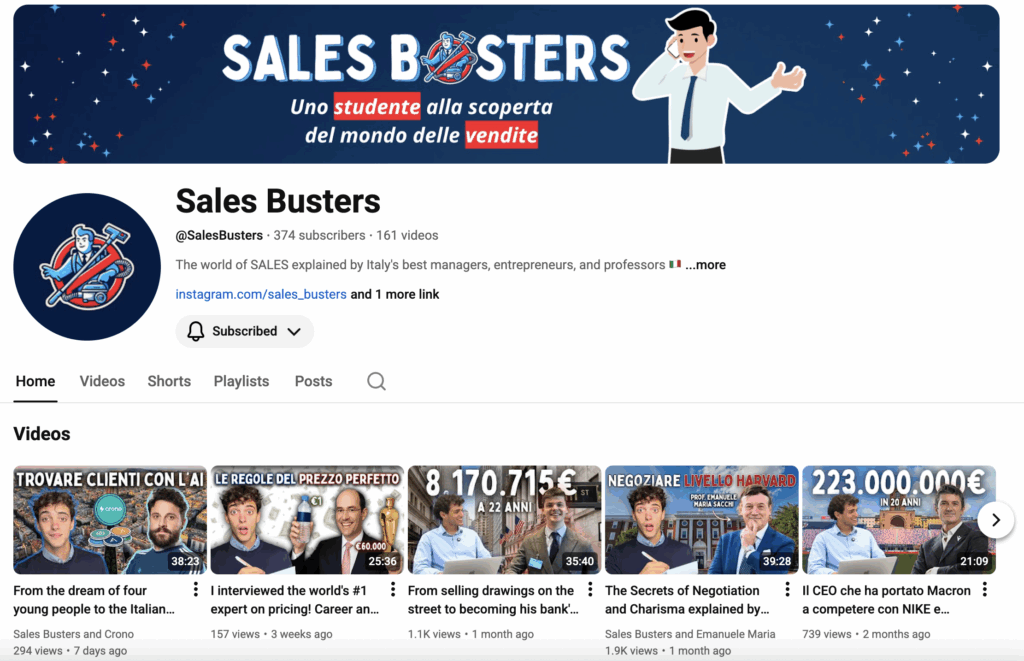
    In this article, we interviewed Andrea Romiti, the 22-year-old founder of Sales Busters. In the first part, we get to know his journey: from “undecided student” to becoming known as the podcast guy. Then we jump into Sales Busters itself: how it started, what drives it, and where Andrea wants to take the project next.

    Crono Talks ep.9 – Sales Busters

    1. Andrea, tell us a bit about yourself. How did a 22-year-old end up creating Sales Busters? What made you choose sales?

    During my Bachelor’s Degree, there were three types of students: the “Finance Bros”, the “Marketers” and the “Undecideds” and at first, I was convinced that my future path would be in Marketing…

    In parallel, I joined JEBO, the Junior Enterprise of Bologna, first as a Sales Associate and then I became Sales Manager, which allowed me to dive deeply into this world. That experience completely changed my perspective: I discovered how much I enjoyed sales and later, as Event Manager, I also discovered a passion for podcasts.

    At that point, some dots began to connect…

    Entering my third and final year of my Degree, I still had only a vague idea about my future. That semester we had the “Key Account Management” course packed with interesting topics and guest speakers from local companies, obviously all were salesmen.

    Fascinated by these Managers, I started inviting them for coffee to talk about their careers, studies and day-by-day work. During one of these conversations, a commercial director introduced me to a colleague as “the podcast guy” and in my brain something sparked.

    A few weeks later, on my Canva, “Sales Busters” name and logo came to life and my journey officially began.

    2. Could you take us behind the scenes of Sales Busters? How do you go from an idea to a fully published episode?

    Do you know Tinder? I’ve never downloaded it, but I know how it works and in a similar way, when I scroll through Linkedin, I come across managers, companies and entrepreneurs, and my mind immediately starts imagining everything: topics, questions, jokes, even the headline for the YouTube video! 

    Then I come back to reality and begin the sales part of my job: reach out, explain the format, travel to meet them, record, edit and finally publish the episode.

    3. Sales Busters aims to educate young people about sales in an innovative way. Which sales skills do you think will be most important for the future, and how can aspiring professionals start building them now?

    The ability to go and get things yourself.

    Being a Salesman is more than a job: it is a way of life embraced by people with courage and initiative. A true salesperson doesn’t wait for opportunities to come; they go and create them. Companies often call this an “entrepreneurial mindset”, but to me, it’s simply a sales-driven mindset.

    4. At just 22, you’re building a project with a growing community: where do you see Sales Busters in 2-3 years?

    Sales Busters is my MSc degree project, after these two years, depending on the results, I will decide the future direction of it.

    My greatest ambition is to change the perception of the sales profession in Italy, create a big sales community and be the best place for a salesperson to shape his career and skills. And of course to keep telling the stories of the best salesmen in Italy.

    5. Is there someone you constantly look up to in the sales or entrepreneurship world? And what’s the biggest lesson you’ve learned from them?

    On the sales side, my ambition is to surpass the level of Professor Emanuele Maria Sacchi, who is considered the best sales trainer in Italy. On the digital entrepreneurial side, my role model is Marcello Ascani, for the level of his guests and his relevance among major italian brands.

    Andrea even dedicated a full episode to Crono, interviewing our CMO & Co-Founder, Alex Roggero to dive into our story.

    🎥 Watch the interview with Alex on the Sales Busters YouTube channel.

  • Crono Talks with Tekpon

    Crono Talks with Tekpon

    Hey Croners! Welcome to Crono Talks, a series of interviews with projects and people that have blown our minds. We aim to inspire and give deserved credit to those working hard and with great ideas.

    In this article, we have interviewed Cristian Dina, Co-Founder and Managing Partner of Tekpon: in the first half of the article we’ll get to know him a bit better and then we’ll dive into Tekpon.

    Crono Talks ep.8 – Tekpon

    Hey Cristian! Let’s start with a warm-up: describe yourself in 10 words!

    Community builder in SaaS, passionate about learning and helping others succeed.

    Can you give us an overview of your career and projects?

    Tekpon is my career.

    Before Tekpon, I was just a 19-year-old kid looking for a mentor.

    I then found Alex who was just starting Tekpon. He shared with me all his learnings as a 20+ startup entrepreneur and 5 exits and got along really well.

    Now everybody knows we are together everywhere we go to and we make a perfect duo.

    It’s a great story of hard work, mentorship and what you can build when you offer trust to young and hungry people.

    How did you discover your passion for startups?

    My passion for startups was ignited by my deep curiosity and the thrill of building something from the ground up.

    The dynamic nature of startups and the opportunity to innovate and solve real problems have always fascinated me.

    My involvement in the SaaS community, podcasting, and networking with like-minded entrepreneurs further fueled this passion.

    How do you see the future of the ecosystem?

    The future of the SaaS ecosystem is incredibly promising.

    I believe we will see more integration of AI and machine learning, making SaaS products smarter and more efficient. Additionally, the shift towards subscription-based models and the focus on customer-centric solutions will continue to grow, driving innovation and improving user experiences.

    Still, human interaction, events, and networking will always play a big role!

    Inside Tekpon

    Now, let’s talk about Tekpon: how would you describe this project?

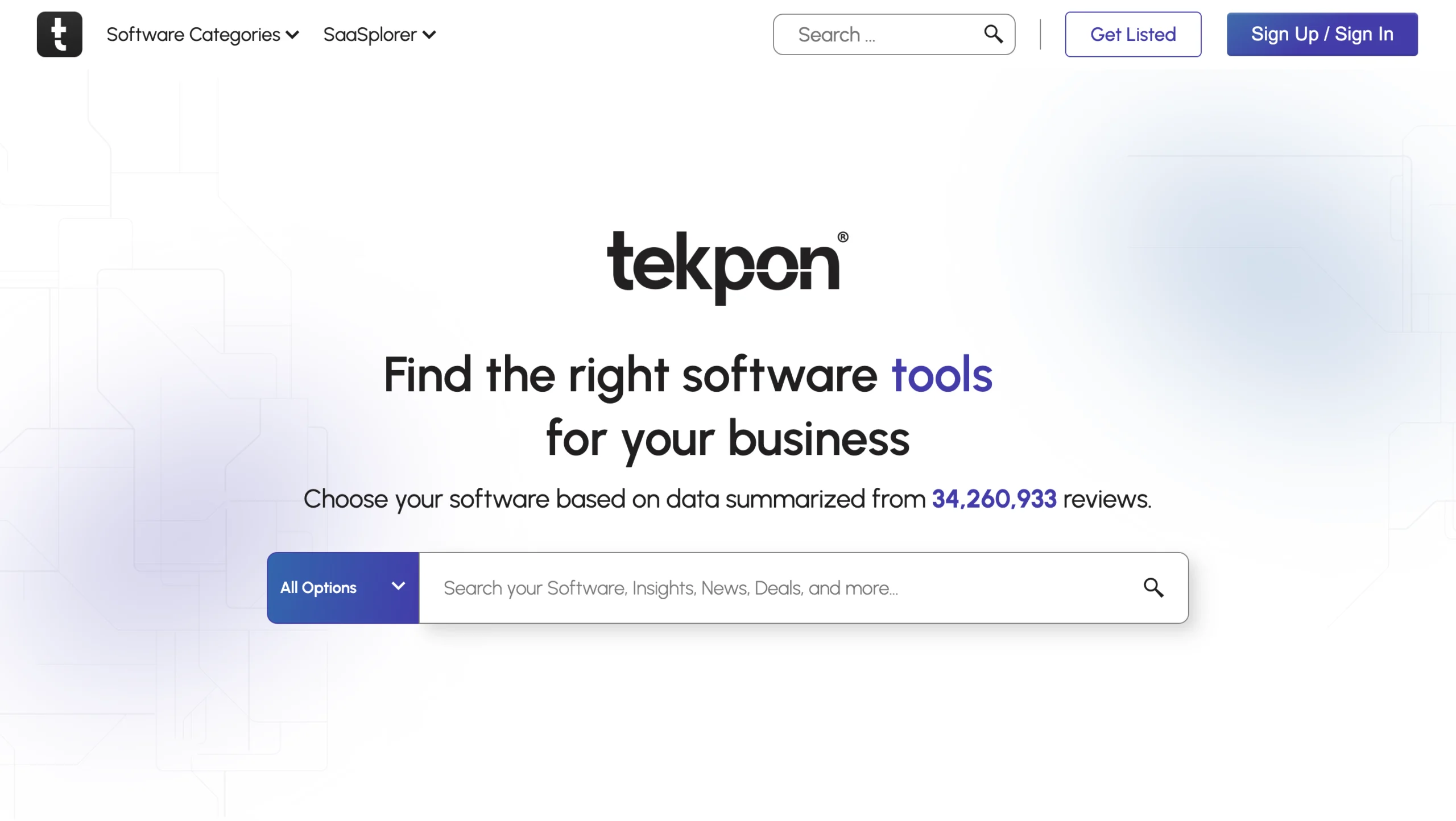
    Tekpon is a marketplace that helps people find the right software for their business.

    The platform is the one-stop solution for discovering, comparing, and purchasing software for businesses of all sizes.

    Our mission is to simplify the software selection process and provide users with valuable resources through our reviews, articles, podcasts, and expert opinions.

    How does it feel to be the co-founder of this wide project?

    Being a co-founder of Tekpon is like being on a never-ending adventure.

    There’s a mix of challenges and victories, but the best part is seeing the positive impact we have on our users. It’s incredibly fulfilling to watch our platform grow and evolve, knowing we’re making a difference in the SaaS community.

    The learning never stops, and neither does the excitement.

    Our company motto is ‘We rise by lifting others‘!

    What are your favourite memories and what makes you proud of Tekpon?

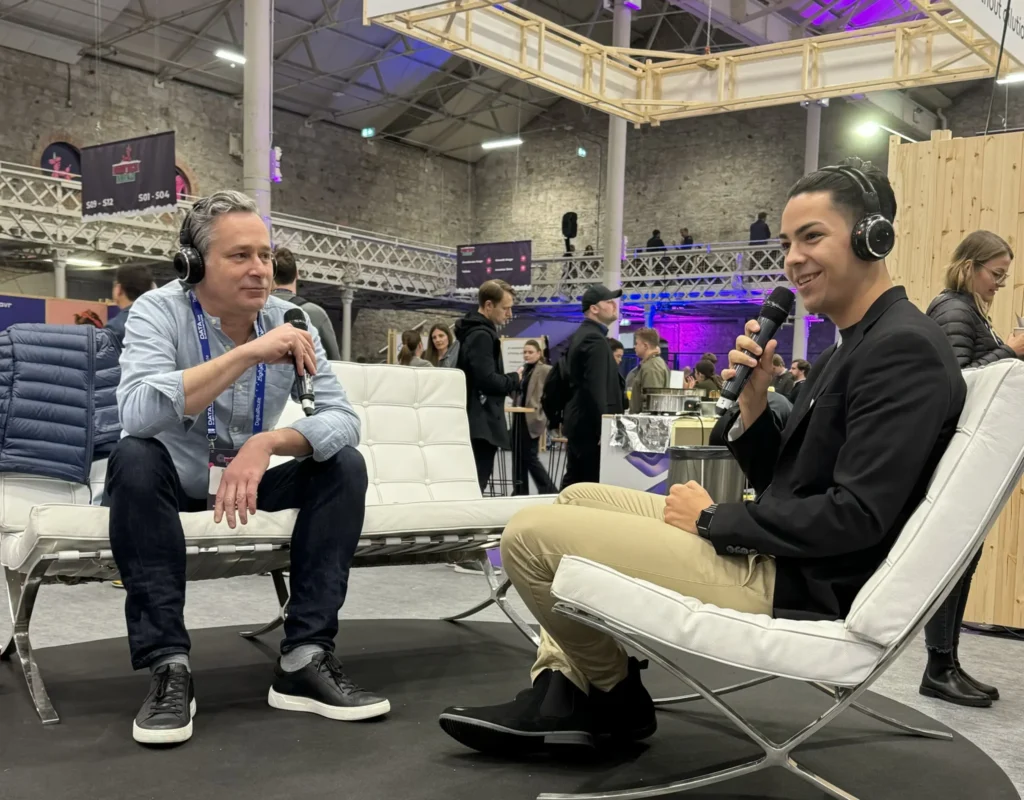
    One of my favourite memories is launching the Tekpon SaaS Podcast and interviewing some of the most influential leaders in the industry.

    The feedback from our listeners and the community’s growth made me proud.

    The podcast was really the thing that moved the needle for me and my career. This is how I built confidence and started building my network.

    We create great memories every time we travel for conferences or we host any kind of event around the world.

    Why people should join your community?

    Joining the Tekpon community is a no-brainer if you’re passionate about SaaS and innovation.

    We offer unparalleled insights, the latest trends, and the best software deals. It’s not just about finding software; it’s about connecting with a network of like-minded individuals who are equally passionate about technology and growth.

    Our community is a hub for learning, networking, and sharing experiences, making it the perfect place for anyone looking to stay ahead in the SaaS world​.

  • Crono Talks with SDR Leaders of EMEA

    Crono Talks with SDR Leaders of EMEA

    Hey Croners! Welcome to Crono Talks, a series of interviews with projects and people that have blown our minds. We aim to inspire and give deserved credit to those working hard and with great ideas.

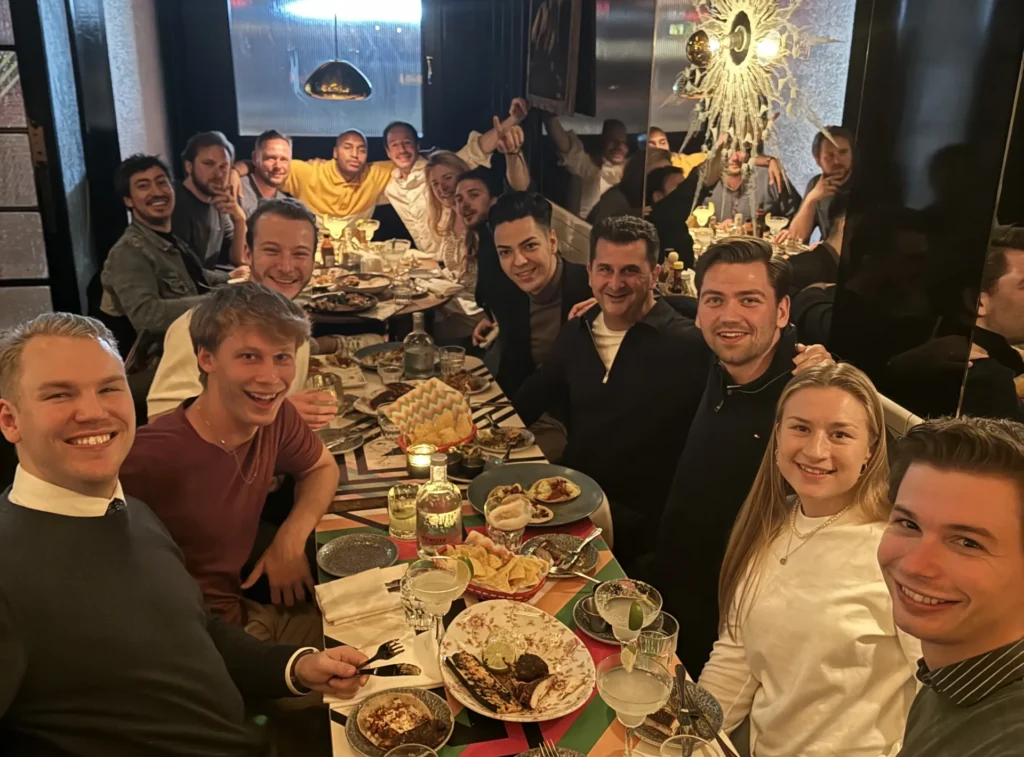
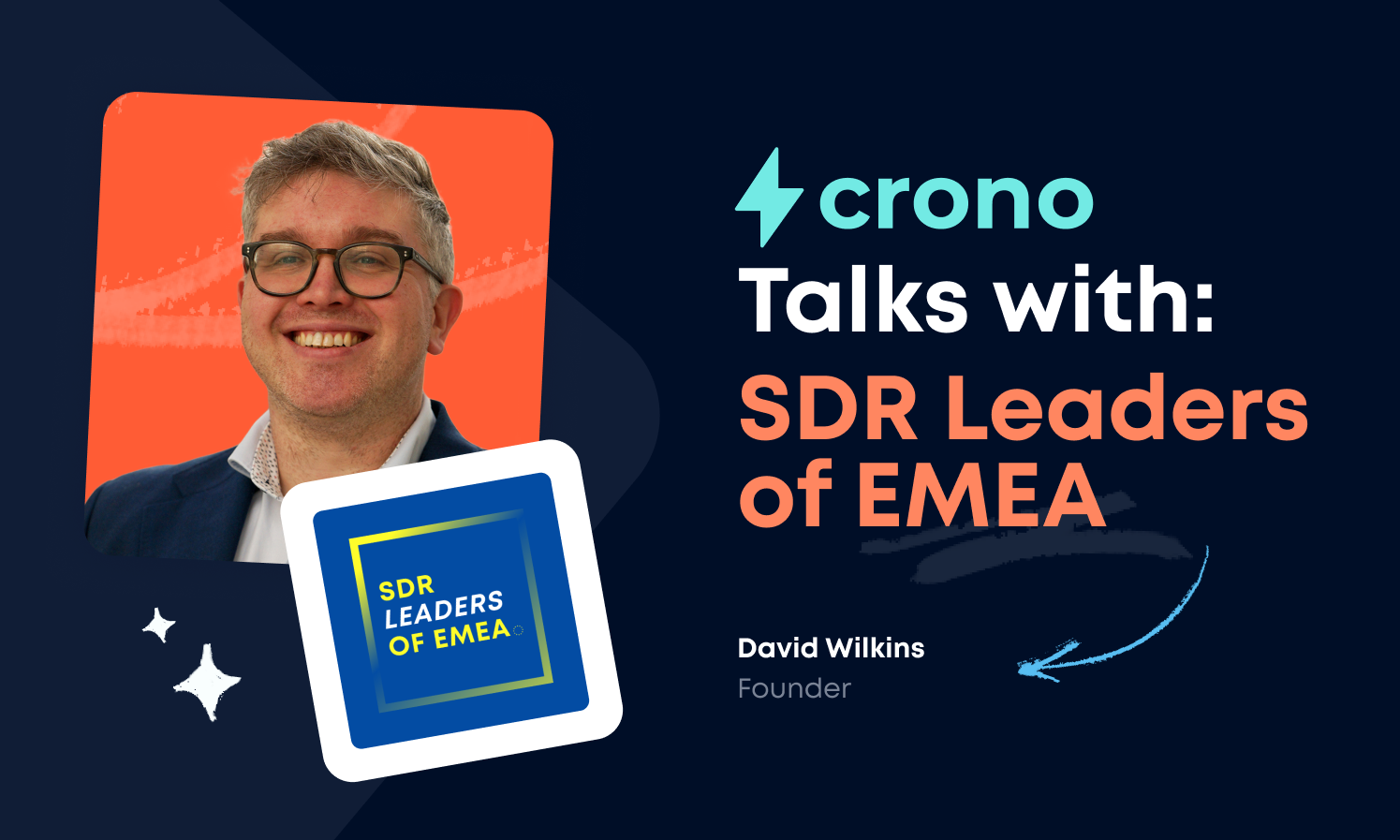
    In this article, we’ll have David Wilkins founder of SDR Leaders of EMEA: a community for Sales Development leaders in EMEA to network and learn from one another.

    Nice to meet you David, we like to start with a warm-up: describe yourself in 10 words!

    British guy living in the Netherlands. Married and dog dad.

    How did you start your adventure in sales? How did you become passionate about it?

    Like most people, I fell into it.

    I originally moved to the Netherlands from the UK in 2008, where I was a rugby coach. I wanted to move into teaching, so I moved back to the UK, where I worked at a private school, which is like Hogwarts but full of monks.

    After a year I realised I loved the Netherlands too much, so moved back with a few €100 in my pocket.  I did a few jobs, like working in mayonnaise factories and then finally, a recruiter told me about this role called “BDR.

    She told me, ”I don’t know why, but I think all your skills from coaching and teaching would make you good at this role.” And she wasn’t wrong. I’ve loved the journey.

    What are the primary skills SDRs should have right now?

    Resiliency.

    The world has changed a lot in the last five years, but in many ways, still the same.

    We are currently going through those periods of economic contraction; companies are figuring out what to do next. Therefore, commitments made to them at specific periods, like new roles/promotions, might be coming at a different pace than SDRs expect.

    That’s not been done maliciously; it’s the knock-on effects on organisations.

    I’m still figuring out how the economy is going to go in the next nine months.

    So, people, especially SDRs, need to be resilient to this dynamic situation

    What’s the secret to build a solid pipeline?

    I love this question.

    It’s not about doing ”More outbound”. It’s about a ‘one team GTM’ approach.

    What do I mean?

    Rev ops need to develop a list of accounts that fit the company’s ICP based on demographics and likelihood of spending. 

    Sales does a sanity check with that list (remove duplicates, subsidiaries) Once that list is finalised, sales ranks the accounts based on top, mid, and low targets.

    Marketing then runs account-based marketing motions, with more dollars being spent on those accounts that are considered ‘top’.

    Finally, SDRs convert the demand generated by marketing whilst also working with sales on specific campaigns. This is the only way to build a truly solid pipeline.

    Inside SDR Leaders of EMEA

    Now, let’s talk about SDR Leaders of EMEA: how would you describe this project?

    I’d describe it as something desperately needed for SDR leaders here in EMEA.

    EMEA SDR leaders need coaching, support and mentoring.

    Their bosses are often in the US, or they are first-line leaders with no other peers.

    So, on New Year’s Eve, five months ago, I started this community; at the time of writing, we have nearly 1500 members and continue to grow and thrive!

    What’s your favourite memory of the project and biggest accomplishment so far?

    It’s been flying a plane whilst building it at the same time!

    I would be happy to bring 50 SDR leaders together over six months. We did that in a day.

    It’s been about building a scalable community for people that can aid each other.

    What are your next goals?

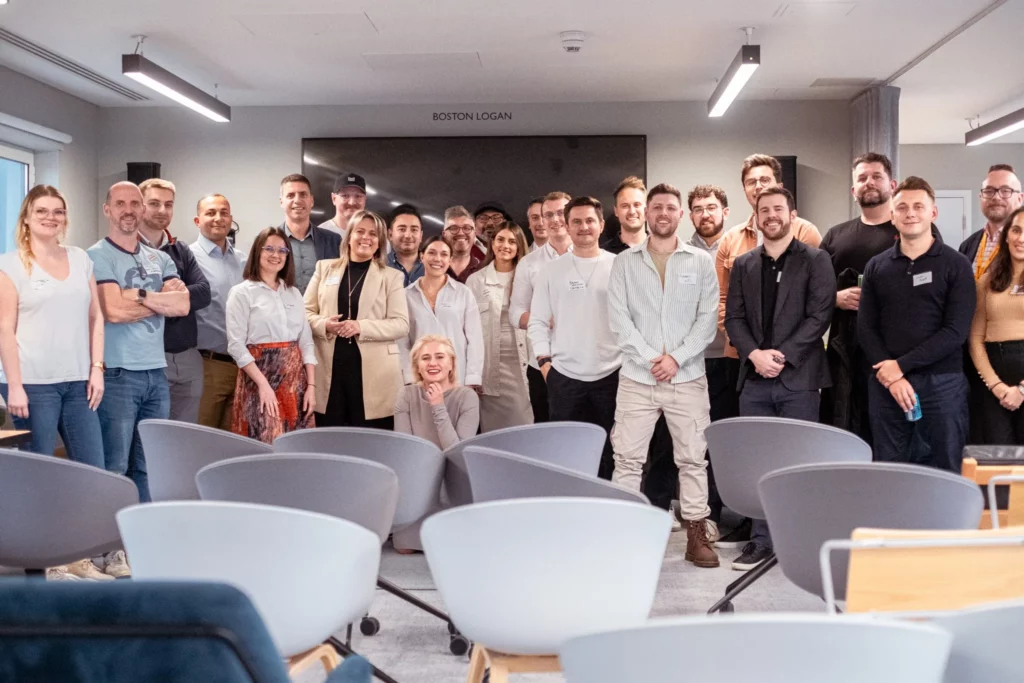
    We are starting to run in-person events!

    In June, we’ve been in London and Amsterdam, thanks to our sponsor, Orum.

    The plan will be to go on the road after the summer and meet all of our community members in Paris, Dublin, Berlin, Barcelona, Lisbon and Dubai! Then, after that, the sky’s the limit!

    Why should people join the community?

    Our community is here to support all SDR leaders in Europe Middle East and Africa.

    Within our Slack community you will get access to, Job opportunities, available SDR talent, Playbooks for running your team, Invites to in-person events, Access to roundtables, Masterclasses, Networking/ mentoring and Merch.

    And it’s all EMEA-centric content. What more would you want?!

    Join here!

  • Crono Talks with Deckx

    Crono Talks with Deckx

    Hey Croners! Welcome to Crono Talks, a series of interviews with projects and people that have blown our minds. We aim to bring inspiration and give deserved credit to those working hard and with great ideas.

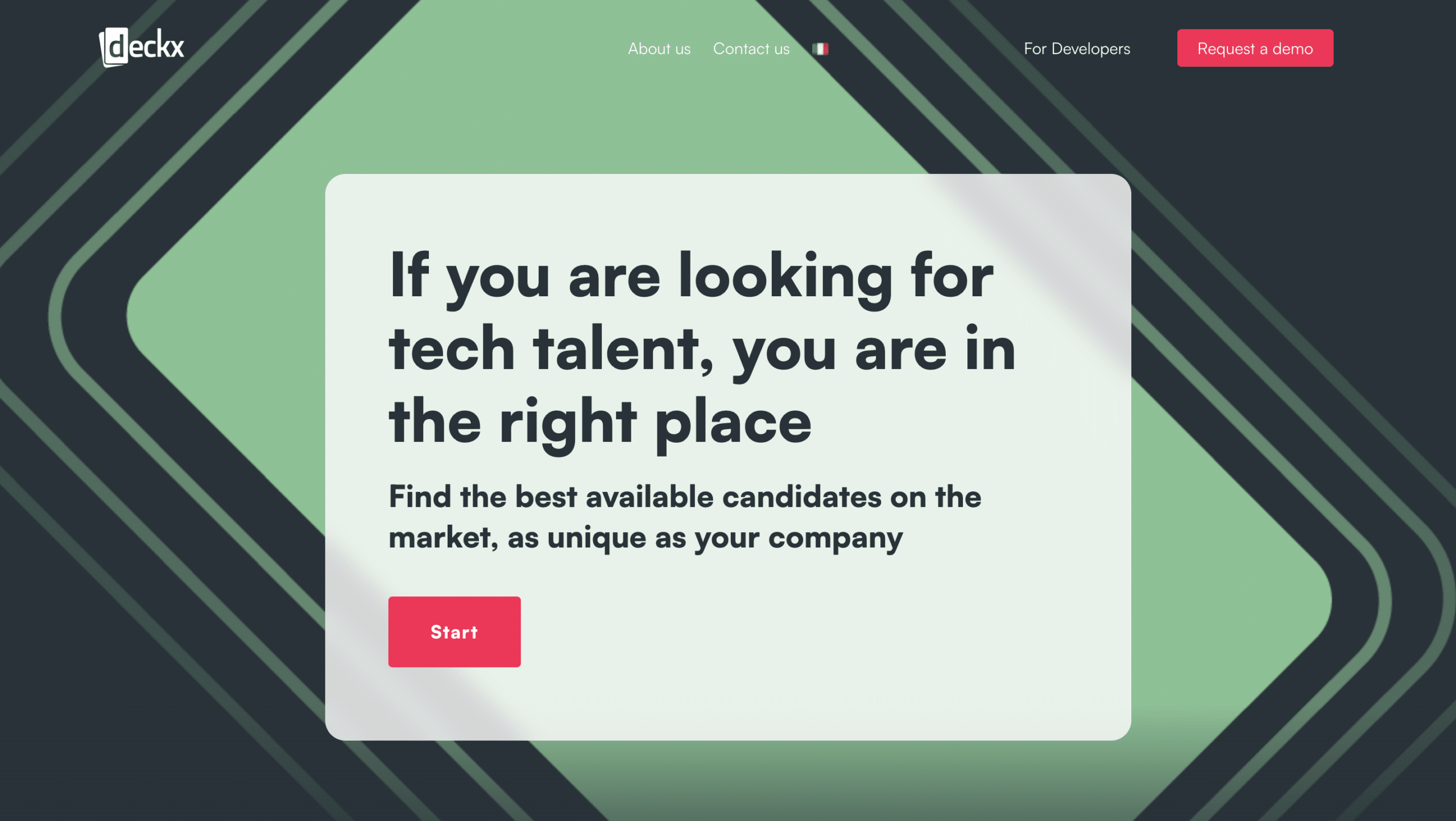
    In this episode, we’ll have Victoria Ceccaroni, CEO and Founder of Deckx, the digital space designed to match tech talents and companies. In the first half of the interview, we’ll get to know her a bit and then we’ll focus on the project.

    Crono Talks ep.6 – Deckx

    Hey Victoria, we like to start with a warm-up: describe yourself in 10 words!

    I do my best not to take things too seriously.

    Now, can you give us a little overview of your career and projects?

    “The dawn of the career” would be the best way to describe it.

    I graduated from university, ended up in the coding school 42 Roma and immediately founded Deckx. I have extensive experience in organising social events, from official conferences to paintball retreats. I also have the habit of founding clubs, so most of my experience is tuning in with people.

    How did you discover your passion for tech and startups?

    I started playing with Python during my masters, to attempt to build my own data models.

    In the meantime, I also discovered these things called start-ups during a random start-up weekend in Leeds.

    From there, the vibe was too awesome to stay away. I never thought I’d become a founder myself, but I always knew I wanted to be surrounded by visionary people.

    Any advice for tech-savvy people with ambitions?

    It’s easier than it seems if you break it down into really small, achievable tasks.

    Start simple and build, the key is to not get overwhelmed. There’s no wrong way to do things anyway, just ways that work and that don’t.

    Do you feel the gap in women’s participation in the tech ecosystem?

    Oh yes, I also feel it’s changing, the younger down the generation line we go.

    However, people don’t often think about “invisible barriers” for women in tech, especially in positions of leadership.

    There’s nobody shouting “no girls here”, but we overlook how unwelcoming some of these environments are: you need to work around tricky relationships and dynamics designed on what used to be a boys-only club.

    It’s changing, but I sometimes encounter the echo of the inheritance we’ve received from the past.

    Inside Deckx

    How does it feel to be the co-founder of Decks?

    A different type of enthusiasm: thanks to the people I met along the way, I can see the scale of positive impact Deckx could achieve, and this energises me in a different way.

    How would you describe the project?

    Challenging – flipping a system so ingrained in people’s minds is said to be impossible.

    Recruitment systems have changed a lot since the 2000s. The logic is simple: create a platform where any candidate can create a profile, getting instant checks on what they write followed by only the best job offers on the market that suit their individual preferences.

    If this isn’t the case, offer precise indications of what to do in order to achieve the role they want.

    What’s the story behind it?

    Essentially, the way one applies for an opportunity is old-fashioned and tedious. If you’re a candidate, what you often have to do ranges from applying to numerous listings to experiencing ghosting, and it’s often not easy to determine if the opportunity you receive is the best one for you. 

    We would like to ensure that when it comes to change, you have the chance to receive all the open opportunities at that moment that are in line with your desires, allowing you to choose your future.

    What are your favourite memories about it and your future goals?

    Endless nights with the tech team seeing what wonder kids they are and feeling grateful to be surrounded by geniuses. (imho).

    Why should professionals join Deckx?

    Because they would likely be the early adopters of the biggest platform for finding tech jobs in the world.

    And they could become so by clicking here.

  • Crono Talks with Startup Geeks

    Crono Talks with Startup Geeks

    Hey Croners! Welcome to Crono Talks, a series of interviews with projects and people that have blown our minds. We aim to bring inspiration and give deserved credit to those working hard and with great ideas.

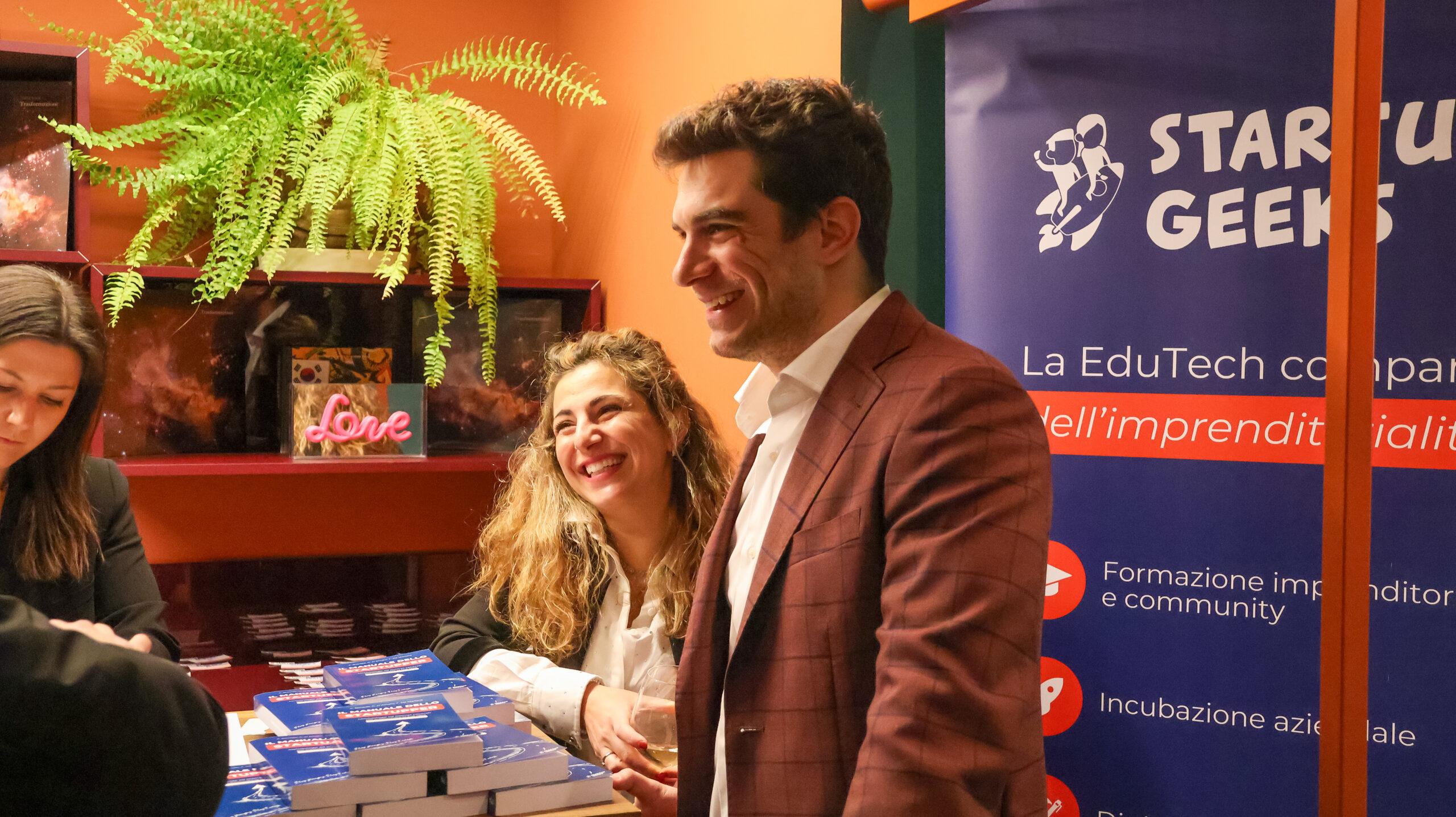
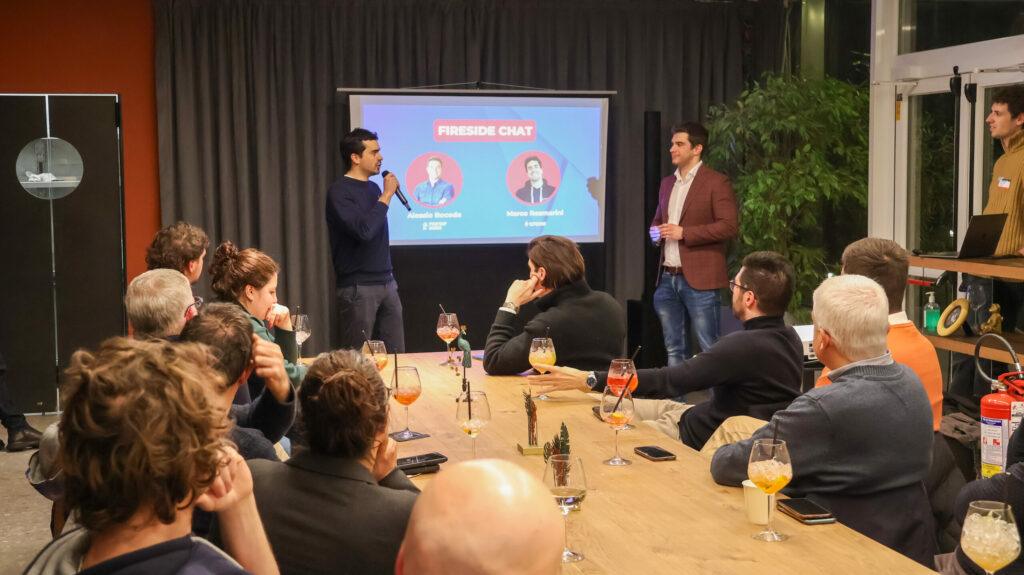
    In this episode, we’ll have a chat with Alessio Boceda, Co-Founder of Startup Geeks. In the first half of this interview, we’ll get to know Alessio and then the project itself, let’s get started!

    Crono Talks ep.5 – Startup Geeks

    Hi Alessio, we like to start with a warm-up: describe yourself in 10 words!

    Husband, dad, and co-founder of Startup Geeks.

    Now, can you give us a little overview of your career and projects?

    After my graduation in Business Administration at Bocconi University in Milan and obtaining two Master’s in Management and International Management, I started my career in Digital Marketing as an intern at Amazon Web Services. After that, I worked for three years as International Digital Platform Manager at Beiersdorf in Hamburg.

    That’s where I began to be more and more interested in the startup, e-commerce and digital marketing world.

    During that period I started to wonder how digital marketing and the startup approach could help the Italian market to improve its performances. In the meantime, my wife, Giulia D’Amato, and I read that Italy wasn’t very excellent in digitalization in comparison with other European countries.

    So we decided to create a blog in order to train and connect all entrepreneurs who wanted to start a new business, giving them all the information they need to run a business. That blog was a primordial version of what Startup Geeks is today.

    How did you discover your passion for startups and entrepreneurship?

    As I said, I discovered my passion for startups and entrepreneurship while I was working. In that period I wanted to learn more and more about how people start companies and how they succeed.

    This led me to search and follow all startup blogs around the world (e.g. Techcrunch) and startup communities (e.g. Startup Grind). Then with Startup Geeks we decided to start making interviews to startup founders because we wanted to know about their life and their experiences in the field.

    Any advice for aspiring founders in Italy?

    My biggest advice is to be (and to remain) ambitious but humble and brave as much as possible: having fear of talking with people is just a lost opportunity to know more about business.

    The only way to understand what can or can’t be useful for your path is to keep on studying and improving your skills, reaching out to people and talking with potential customers in order to grasp the potential of your own idea and business.

    What are the pros and cons of starting a business in Italy?

    Pros: if you’re Italian, you can potentially know very well the market. In Italy the entrepreneurial word is a small ecosystem and you can easily get to meet experts or people who already have a business.

    Cons: in Italy the startup-culture is still not well known, there’s a poor culture of failure and most people tend to discourage you.

    There’s no point of reference to hold onto: that’s why Startup Geeks is born.

    Inside Startup Geeks

    How does it feel to be the co-founder of Startup Geeks?

    I’m very proud of what I’ve created with Giulia, my co-founder. It’s amazing to have an impact on people’s life every day, on their future and the fact that a lot of people have already chosen us is the biggest reward. 

    Working with young professionals is really exciting, even if being an entrepreneur it’s a path full of ups and downs. But I’m still very proud of what I chose to be and become.

    How would you describe the Startup Geeks project?

    In Startup Geeks we support who wants to innovate, giving them the best knowledge and network and allowing them to launch their idea in the most conscious way possible.

    On the one hand we help entrepreneurs with a 12-week online incubation called “Startup Builder” and a private online space for our community in which people can meet and share their questions and experience with the others.

    We also support startups to obtain media coverage on the national newspapers, radio and TV with the Digital PR service and support corporates to launch new internal entrepreneurial projects with a specialized unit of Corporate Innovation.

    What’s the story behind it?

    At the time we lived in Germany and we worked there but once we went back home from our honeymoon we decided to give a chance to our idea. We were in our honeymoon, on a bus between Peru and Bolivia. After reading a European Union report that placed Italy as the 25th country out of 28 in terms of digital progress, we asked ourselves what we could do to improve this alarming statistic in our own small way. We wanted to help and support our country and, for this reason, we decided to go back to Italy.

    After speaking with many Italian entrepreneurs we realized that there was a lack of a physical or digital place where entrepreneurs could discuss their path and this was a meaningful contribution to the negative number that sees 90% of startups fail within the first 3 years of foundation. It is from these considerations that Startup Geeks was born.

    What are your favourite memories about it and your future goals?

    There are many, from the day we incorporated the company, to the day we closed our fundraising campaign. But there are also many small moments that make it work, for example when the people we met tell us a sincere “thank you”.

    We are proud to have supported now over 1000 projects and trained over 2000 people on the methodologies to launch a company. We supported more thank 180 startups with our digital PR team and we work with more than 15 corporates.

    We aim to have more and more impact in the innovation ecosystem and continue to train, connect and grow awareness about what really is the meaning of this kind of business. At the same time, we would like to support companies in a transformation path that starts from the ideas of their talents.

    Now our team is working to improve our platform to build a place in which whoever has an idea can find the right network and the skills needed to run a business. We really believe in the power of having a network, that’s why we are going to launch something else to connect startuppers, mentors, investors and corporates in the same place.

    Why should professionals join Startup Geeks?

    For a professional or a startupper, joining Startup Geeks means being supported in real time by our team, our mentors and having the opportunity to cooperate with a lot of people who are already members (people who are starting a business, who already have it, who are looking for a co-founder or a team member or potential investor).

    We think that the more we are, the more we can grow together.  

  • Crono Talks with ARRtist

    Crono Talks with ARRtist

    Hey Croners! Welcome to our brand new column Crono Talks, a series of interviews with projects and people that have blown our minds. We aim to bring inspiration and give deserved credit to those working hard and with great ideas.

    In this episode, we’ll have a chat with Julius Göllner, Co-Founder & Managing Director at ARRtist. In the first half of this interview, we’ll get to know Julius and then the project itself, let’s get started!

    Crono Talks ep.4 – ARRtist

    Hi Julius, we like to start with a warm-up: describe yourself in 10 words!

    Addicted entrepreneur, SaaS Investor, Passionate Runner, Thankful Father, Curious Mind.

    Now, can you give us a little overview of your career and projects?

    After completing my studies in business administration and economics, I joined the management consultancy McKinsey & Company, where I mainly advised banks and insurance companies.

    I then joined the top management of Zalando, where I was a C-level board member responsible for building and scaling all non-full-price divisions (Zalando Lounge, Zalando Outlets) up to the IPO.

    During this time, I was lucky and honoured to learn entrepreneurship from the ground up in a trustful but fast-paced environment.

    After the IPO, I became an entrepreneur in my own right and am still very passionate about bringing new ideas to life.

    In the last 10 years, I have founded 15 companies myself and invested in more than 40 at the preseed and seed stages. I love the very early days of a company from idea to product market fit and am grateful to have worked with so many inspiring people and founders around me.

    How did you discover your passion for startups?

    Definitely during my time at Zalando.

    The creative freedom paired with a super high level of energy and ambitious, inspiring people was addictive and something I never wanted to miss again in my life.

    Any advice for aspiring founders?

    Follow your passion!

    If you do something you are truly passionate about – a SaaS business, a bakery or a hairdressing salon – financial success will follow.

    Don’t get me wrong – it won’t happen overnight. It will be a long, sometimes painful journey.

    But your passion will help you survive downturns and difficult times. It will inspire and persuade those around you (employees, customers, suppliers), but above all, it will make your day-to-day work and life so much more enjoyable.

    What’s the biggest and most unseen difference you see in the DACH market?

    Unlike many other European markets, the DACH region, particularly Germany, does not operate with a centralised approach.

    Yes, we have some startup and SaaS hubs with Berlin and Munich, but the market is much bigger and much more fragmented.

    We have great founders, talent and key customers spread all over Germany. Cities like Karlsruhe, Aachen or Bielefeld are not very well known but have huge potential in terms of purchasing power but also human capacity. If you want to be successful in DACH, it is very important to take this into account.

    Also, having German native speakers on the team is a key asset, especially if you are selling to SMB. 

    Inside ARRtist

    How does it feel to be the co-founder of ARRtist?

    It is great because I love it when entrepreneurs tell me about the insights they gained or the connections they made in our community or at one of our events and how it has helped them to build a better company.

    Also, I have the pleasure of being surrounded by inspiring people all day long.

    My co-founders are experienced and inspiring entrepreneurs, our team is energetic and highly ambitious, and our audience and guests are super-skilled and inspiring operators and founders, as well as world-class investors.

    Working with all these people daily provides me with a constant opportunity to learn and develop new ideas.

    How would you describe the ARRtist project?

    ARRtist is the leading SaaS ecosystem for the German-speaking markets. We try to provide SaaS founders and operators from all over Europe with everything they need to be successful in DACH:

    The best available playbooks for Go-To-Market and Tech, contact to other experienced and top-class founders, access to investors who provide you with the right capital as well as a network of the best service providers in Germany, Austria and Switzerland.

    Over 800 have joined our community and we receive applications for our events from great founders daily.

    What’s the story behind it?

    As an angel investor in SaaS, I realized that my teams, but also founders all over Europe, face the same, very repetitive problems at every stage of entering and scaling in the DACH market.

    On the other hand, there were already many successful stories and teams who had made their own mistakes, gained a lot of valuable knowledge and would probably have been open to sharing it.

    It was time to build a platform to connect all these people and make the whole ecosystem more accessible, faster and more successful.

    What are your favourite memories about it and your future goals?

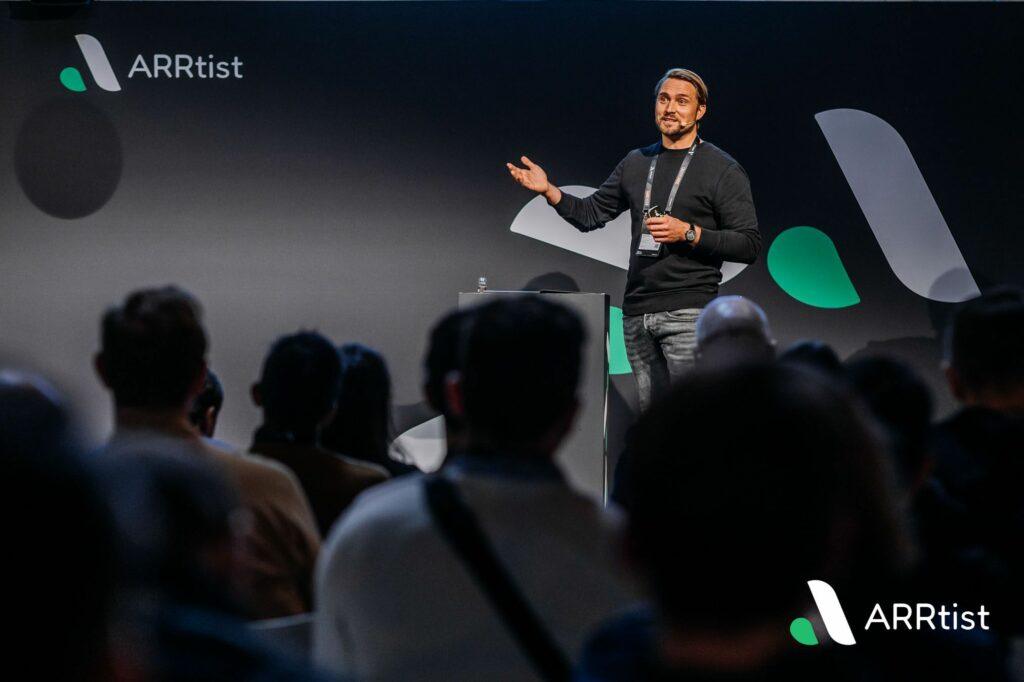
    Definitely opening the doors to the first ARRtist Summit in 2022. Seeing an idea come to life by bringing 500 of Europe’s best founders and investors together in Berlin was one of those moments you build for and are an entrepreneur for.

    For the future, we are constantly thinking about how we can bring more value to the SaaS ecosystem in general.

    For example, on 19th April 2024, we will host the first ARRtist Circus Europe’s first and only training and development festival for sales and success teams.

    With over 100 teams and more than 700 Sellers and Customer Success Managers committed already, we are sure to have a very unique and empowering day together. Welcome to the Circus ring…

    Why should professionals join ARRtist?

    Simply because it will help them build a better company and boost their personal growth

    We offer a unique ecosystem that makes everyone in it faster, better and more successful. You get access to the most experienced and knowledgeable operators, the best investors around the world, and the best solution providers to help you take shortcuts and save massive amounts of time and money.

    More importantly, you will find a very inspiring group of people passionate about their work. And as I said – if you follow your passion – success and happiness will follow…  

  • Crono Talks with SDRs of London

    Crono Talks with SDRs of London

    Hey Croners! Welcome to our brand new column Crono Talks, a series of interviews with projects and people that have blown our minds. We aim to bring inspiration and give deserved credit to those working hard and with great ideas.

    In this episode, we’ll have a chat with Lewis Gadson, founder of SDRs of London.

    In the first half of this interview, we’ll get to know Lewis and then the project itself, let’s get started!

    Crono Talks ep.3 – SDRs of London

    Hi Lewis, we like to start with a warm-up: describe yourself in 10 words!

    A stickler for organisation. I’m honest – sometimes too much so.

    Now, can you give us a little overview of your career and projects?

    By day, I’m Associate Director of Wiser Elite – a specialist tech sales recruitment agency. By night, (not to make myself sound like Batman or anything) I’m the Founder of SDRs of London – a peer-to-peer mentorship platform and community for reps based in and around the capital.

    I started my career in recruitment/sales headhunting SDRs and built the desk to a team of 5 direct reports/mentors up to 20 others (at our largest) across our AE, CSM and Sales Leadership desks. We’ve also since created 4 other sales communities named AEs of London, GTM Leaders, Making Moves (Women in tech sales) and Retention Seekers (CSM/AM).

    Our communities were created to support those in the industry to become top performers, educate businesses on how to create a more inclusive industry and work towards our mission of changing the way people think about sales.

    Our wonderful Head of Brand, Izzy Bishop, and Community Marketing Manager, Zara Arshad-Roberts, look after all our communities – they’re the backbone of driving community growth and success.

    How did you discover your passion for sales?

    My Dad used to be a market trader selling fruit and veg. I spent a lot of my childhood perched up his stall, watching him engage with customers and passers-by – I guess you can say “Monkey see. Monkey do“.

    I tried to take it a few steps further and become an Actor but after a good innings and only a smidge of success, I knew I could take more control of my future by putting my energy into the business world.

    Since making that decision, I haven’t looked back and not only that, I’ve been doing my best to make the sales industry a better place to work.

    Any advice for aspiring salespeople?

    Be proactive – yes, any good company will train you but come up with your own plan of how you will become the best in your own time. E.g. content, books, events, communities, classes.

    Inside SDRs of London

    How does it feel to have created a community with +6k members?

    If you’d told me SDRs of London would be going on 7,000 followers 4 years ago, I’d have laughed at you. I’m just pleased SDRs utilise it in so many different ways.

    Some use it for inspiration, some use it for motivation and the members that sell to sales functions have used it to hit their targets in the past (I should have been on commission share haha).

    The bottom line is that it’s added value to so many reps’ careers and boosted Wiser Elite’s brand as the go-to tech sales recruitment company.

    How would you describe the SDRs of London project?

    SDRs of London is a free community for SDRs based in and around the capital. Members can access sales content, webinars, events, mentorship and be part of a group of like-minded individuals helping each other become top performers.

    What’s the story behind it?

    I started the community in late 2019 when a sales events company were charging SDRs a considerable amount to be mentored by some renowned SaaS sales leaders.

    Now, the list of leaders was strong and I respect the hustle but when you’re an SDR, it’s when you know the least, it’s when you earn the least and it’s when you need the most help so I thought I could do a better job whilst boosting Wiser Elite’s brand in the market.

    With a nudge from MD, Jack, I went for it by taking 15 SDRs that I’d placed and 15 SDRs at companies that I’d like to work with, put them in a WhatsApp thread and said “There you go – mentor each other for free”.

    Fast forward two months, the pandemic starts and salespeople are looking for any way they can to get advice on what to do – we went from 35 to 180 members in a week and within a month, we did our first sponsored webinar with Vidyard.

    Today, we run an in-person event and webinar every quarter with industry-leading speakers. On top of that, we have Community Hosts who act as advisories to the wider community and help us plan events/speakers/subjects.

    What are your favourite memories about it and your future goals?

    It sounds strange but my favourite memory so far is when we needed to set up AEs of London. The first bunch of founding members had been promoted out of the SDR role and were all facing new issues that a community of SDRs weren’t qualified to help with.

    SDRs of London had served its purpose and helped reps reach the next level in their careers. Plans are to double down on a mentorship scheme – pairing reps with suitable mentors further on in their careers. We also plan to expand our sponsorship offering for companies looking to boost their brand in the sales industry.

    Why should professionals join SDRs of London?

    If you’re looking to meet like-minded tech sales professionals trying to master their craft then come join us. Not only will you learn from others at the top of their game, you’ll see that the highs and lows of a sales career don’t need to be lonely.